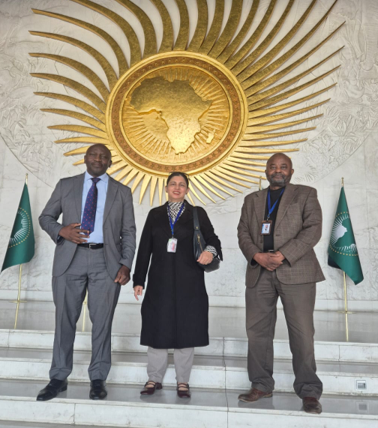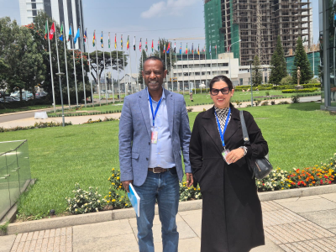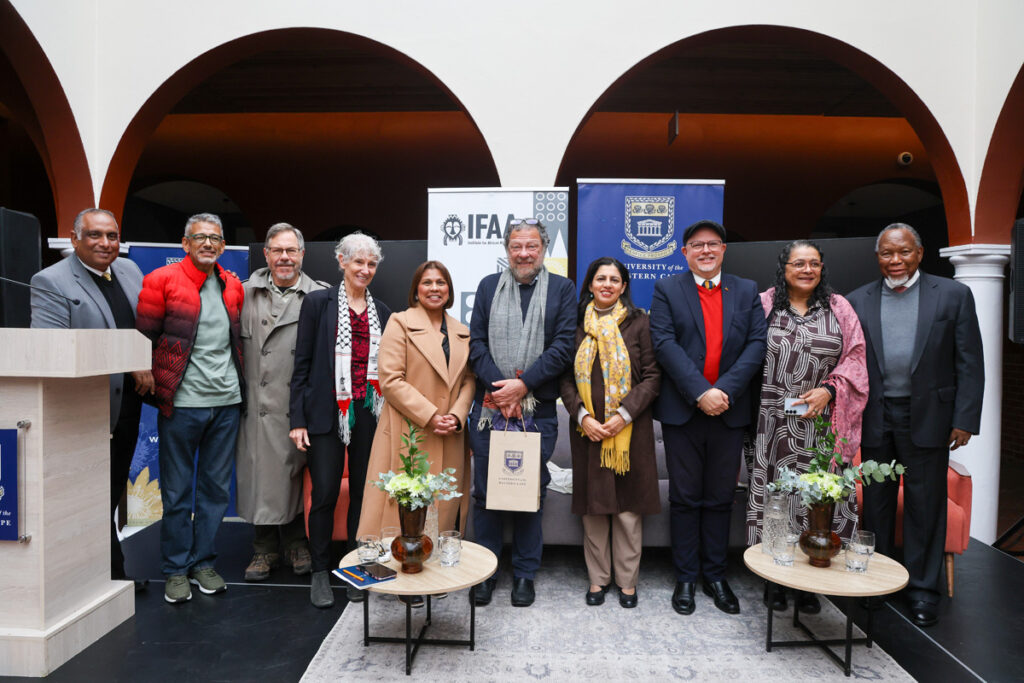
The engagements focused on developing longer-term institutional collaboration, joint research and knowledge production, internships and professional development, student and staff mobility, and postgraduate education. Discussions also explored additional areas of cooperation that could contribute to capacity development, evidence-based policy, knowledge generation and the advancement of African scholarship.
A key area of discussion was the strengthening and extension of the existing Memorandum of Understanding (MoU) between the African Union and ISD. AUC recognise the renewal of the MoU as an important opportunity to establish a more substantive and forward-looking framework for collaboration, supported by clearly defined areas of mutual interest and practical programmes of engagement.
The proposed collaboration with the African Union and its specialised institutions is expected to create opportunities for academics, researchers and postgraduate students to engage in knowledge exchange, collaborative research and professional development. Student and staff mobility was identified as an important component of this collaboration, with potential opportunities for postgraduate students and researchers to engage with partner institutions and contribute to shared research and development initiatives.
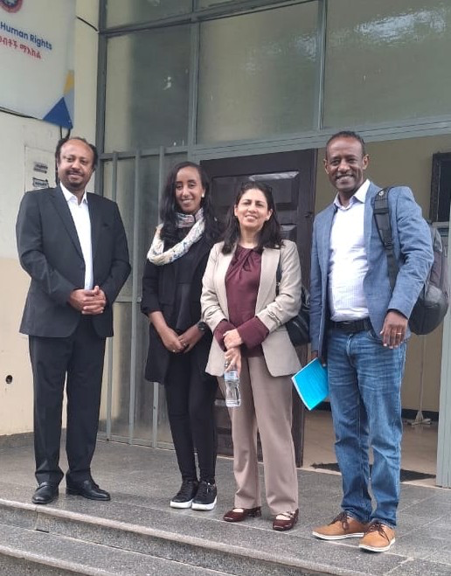
The visit to Addis Ababa University further reinforced ISD’s commitment to building partnerships with leading African universities. As one of the continent’s prominent academic institutions, Addis Ababa University represents a valuable partner for advancing South–South knowledge exchange, collaborative research, postgraduate education and academic mobility.
Prof Bayat and Prof Dinbabo emphasised the importance of moving beyond institutional agreements towards meaningful and sustainable collaboration that delivers tangible benefits for students, academics, researchers and communities across the continent.
“ISD is committed to strengthening partnerships that place African knowledge, scholarship and development at the centre of our work. These engagements provide an important foundation for building practical collaborations that can support postgraduate education, research and evidence-based approaches to Africa’s development challenges,” said Prof Bayat.
Prof Dinbabo highlighted the potential benefits for postgraduate education and research, noting that stronger institutional partnerships can provide students and researchers with opportunities to access broader academic networks, participate in collaborative research and gain valuable professional and international experience.
The engagements also reaffirmed the shared commitment of the institutions to African-led knowledge generation and capacity development. Through collaborative research, academic exchange, internships and professional development opportunities, the partnership has the potential to strengthen the capacity of emerging scholars and practitioners to respond to complex social, economic, governance and development challenges facing the continent.
ISD is committed to taking forward the areas discussed during the engagements and working closely with its partners to translate the initial discussions into a practical programme of collaboration. This includes identifying priority areas, developing joint initiatives and establishing mechanisms to support sustained institutional engagement.
The engagements with the African Union Commission, IPSS and Addis Ababa University mark an important step in ISD’s ongoing efforts to deepen its African and international partnerships and to contribute to a stronger network of institutions committed to advancing social development, research, postgraduate education and transformative African scholarship.
Through these partnerships, ISD seeks to further its role in facilitating knowledge exchange and collaborative action that supports inclusive and sustainable development across Africa.